When you purchase indoor growing gear through links on Living Kitchen Hydroponics, we may earn an affiliate commission at no extra cost to you. How our indoor garden guides are funded
Bringing fresh greens and culinary herbs into a kitchen without soil comes down to three basic elements: a water reservoir enriched with plant minerals, a structured medium to support root growth, and targeted artificial lighting. While commercial hydroponics often conjures images of complex plumbing and industrial warehouse racks, domestic systems are designed for living spaces, ranging from modest countertop basins to tall vertical towers.
Deciding which setup fits your routine depends largely on your available footprint, your harvest goals, and how much hands-on maintenance you want to take on. A small countertop basin is ideal for regular garnishes of basil, mint, or loose-leaf lettuce, whereas larger multi-tier towers are built for those attempting to supplement household produce shopping on a weekly basis.
Countertop Planters vs. Vertical Systems
According to comparative analyses of indoor gardening systems by Indoor Hydroponics Guide and Gardyn, the trade-off between small benchtop planters and multi-tier systems centers on capacity, noise, and mechanical complexity:
- Footprint and Yield: Compact countertop units hold anywhere from 3 to 12 plant sites, making them unobtrusive additions to a kitchen island or credenza. Vertical towers stand between four and five feet tall, utilizing vertical air space to cultivate 16 to 30 or more plants in a modest floor footprint.
- Water Delivery & Noise: Smaller units often use passive wicking or low-voltage submerged pumps that run virtually silent. Larger multi-level towers rely on periodic pump cycles to lift water up a column over root chambers, which creates faint, intermittent trickling sounds.
- Routine Upkeep: Countertop basins typically need fresh water top-ups every one to two weeks, with occasional full tank rinses between crop cycles. Multi-tier towers hold larger reservoirs that require routine nutrient dosing, pH tracking, and pump descaling.

Evaluating the All-in-One Countertop Unit
For beginners and urban apartments, self-contained countertop gardens like the Hydroponics Growing System Smart Planting Vegetable Machine (listed by Simple Home Garden Store) represent an accessible entry point. These all-in-one machines integrate an adjustable LED grow hood directly above a sealed water basin.
The visible design includes a vertical telescopic pole that allows the light canopy to rise as seedlings mature, helping maintain optimal distance from tender leaves without scorching them. A front-facing mechanical water gauge provides an immediate visual reading of the reservoir level, reducing the risk of roots drying out unnoticed.
Because direct marketplace listings frequently omit technical specifications, confirm the following with the seller or manual before running the unit:
- Does the basin use a passive wick or an active circulation pump?
- What are the automated timer cycles for the LED panel (e.g., 14 vs. 16 hours)?
- What is the total reservoir capacity and power plug standard?

The Role of Germination Sponges and Media
Soilless cultivation relies on an inert medium that can retain moisture while allowing oxygen to circulate freely around fragile root hairs. In domestic systems, polyurethane grow sponges—such as the 100-piece Hydroponic Plant Sponge Sheet (offered by Treasure Kitten Store)—are commonly used as an alternative to rockwool or loose coco peat.
These modular foam plugs come pre-scored with central seed indentations and cruciform slits. They can be detached individually and inserted into standard net baskets. Unlike natural soil, high-density foam introduces no loose debris or pests into your water basin, preventing pump blockages and keeping kitchen counters clean. However, synthetic sponges provide no intrinsic nutrition; seedlings require balanced liquid hydroponic nutrients once the first set of true leaves emerges.
Key Criteria for Choosing Your System
- Adjustable Light Clearance: Leafy greens like butterhead lettuce stay relatively low, but basil, dwarf tomatoes, and peppers can rapidly stretch toward the light. Ensure the lighting hood can extend high enough to accommodate mature foliage.
- Consumable Compatibility: Some proprietary systems require custom-molded seed pods and branded seed subscriptions. Generic pod baskets and modular foam sheets give you the freedom to sow any commercial seed packet at a fraction of the ongoing cost.
- Reservoir Access and Cleaning: Algae naturally tends to form wherever nutrient-rich water meets stray light. Choose basins that decouple easily from their electrical cords so you can thoroughly wash out sediment and root residue between replanting cycles.
- Light Intensity in Living Areas: High-output full-spectrum LEDs are essential for vigorous vegetative growth, but they are bright. Consider where the unit will live in your home, especially if the automated schedule runs during evening hours in an open-concept living area.
Whether you begin with a compact countertop planter for fresh culinary garnishes or invest in a vertical column for salad-scale harvesting, verify the tank capacity, pump mechanisms, and replacement medium compatibility before ordering to ensure the hardware aligns with your domestic space.
Evaluation is based on published specifications and seller listings. No physical or hands-on testing was conducted; unlisted specifications may still be available from the seller.
Further Kitchen Hydroponics Reading
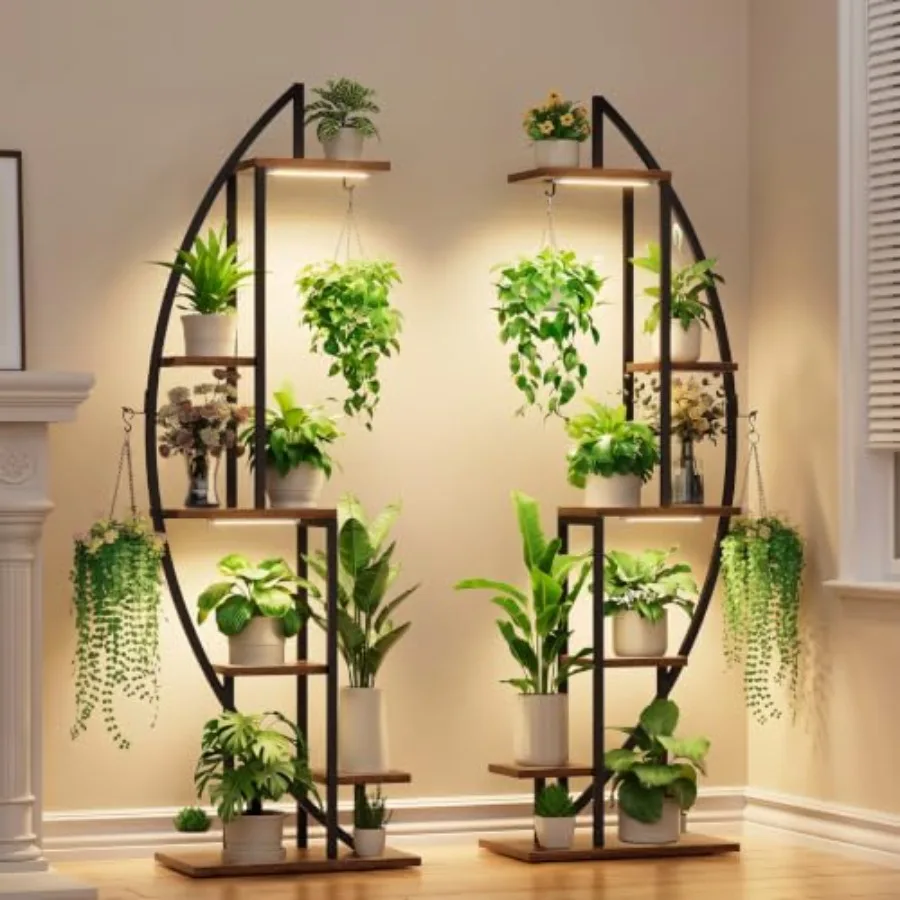
Plant Stands With Grow Lights: What to Check Before You Buy
Compare six multi-tier plant stands with advertised grow lights, then check lighting coverage, shelf spacing, footprint and variant details before buying.